Skip to content
JPLT Online Japanese Language Training SchoolJPLT Online Japanese Language Training School
  • Courses
  • Plans
  • Get Started
    • What is JPLT Metaverse Campus
    • How to Enroll
  • JPLT LEARNING GYM
    • What is JPLT LEARNING GYM?
    • BootCamp
    • Studio
    • Season
    • Grammar Book
    • Optional Classes and AOTD
  • Schedule
  • Blog
  • About Us
    • What Is Dialog+ JPLT
    • Teachers
    • Company Profile
    • Contact Us
    • FAQs
  • Login
  • For Business
JPLT Online Japanese Language Training SchoolJPLT Online Japanese Language Training School
  • Courses
  • Plans
  • Get Started
    • What is JPLT Metaverse Campus
    • How to Enroll
  • JPLT LEARNING GYM
    • What is JPLT LEARNING GYM?
    • BootCamp
    • Studio
    • Season
    • Grammar Book
    • Optional Classes and AOTD
  • Schedule
  • Blog
  • About Us
    • What Is Dialog+ JPLT
    • Teachers
    • Company Profile
    • Contact Us
    • FAQs
  • Login
  • For Business
Grammar Book

GrammarBook: Noun + の ばあいは (In the case of [Noun])

  • 11 Aug, 2026
  • Com 0

N4-G-048

Noun + の ばあいは (In the case of [Noun])

Supporting / Expressing Contingency & Conditions

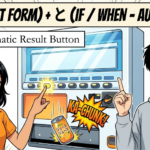
👀 Layer A: Visual Guide


📝 Quick Summary

This grammar pattern connects a Noun to ばあいは by attaching the particle の (no) to set up a specific conditional scenario or contingency. It translates to “In the case of [Noun]…” or “In the event of [Noun]…” and is frequently used in official instructions, emergency manuals, and rules.

Structure: [Noun] + の + ばあいは
Example 1: かじの ばあいは、119ばんに でんわして ください (In the event of a fire, please call 119).
Example 2: じしんの ばあいは、エレベーターを つかわないで ください (In case of an earthquake, please do not use the elevator).

🔗 Connected Grammar:

  • N4-G-045: Verb (plain form) + ばあいは (In the case of [Verb])
  • N4-G-046: い-adjective + ばあいは (In the case of [I-adj])
  • N4-G-047: な-adjective + な ばあいは (In the case of [Na-adj])
  • N5-G-001: Noun + の Particle Basics

🔍 Layer B: Deepening

💡 Raya’s Hack

The Complete BAAI Family Rule!
Because baai (場合) acts as a regular noun meaning “case/situation”, Nouns modify it using standard noun-modifying rules with の (no):

– Nouns: 火事 の 場合 (kaji no baai – in case of fire)
– Verbs (Plain): 遅れた 場合 (okureta baai – in case of delay)
– い-adjectives: 悪い 場合 (warui baai – in case it is bad)
– な-adjectives: 必要な な 場合 (hitsuyou na baai – in case it is necessary)

Never use だ (da) before baai!

🚧 Joy’s Mistake

Scene: Joy is creating an emergency safety poster for the dorm.

Joy: 「かじ だ ばあいは、119ばんに でんわして ください。」
(Kaji da baai wa, hyakujyuukyuuban ni denwa shite kudasai.)

❌ Used “da” before ばあい!

Why?

Joy attached the plain copula da directly before baai wa. To modify a noun like baai with another noun, you MUST connect them using the particle の (no).

Correct: 「かじ の ばあいは、119ばんに でんわして ください。」 (In the event of a fire, please call 119.)

🔥 Layer C: Retrieval Practice Loop

Retrieve and apply! Express conditions with Nouns. (Hiragana and English only)

Level 1: Structure Building (Noun + の ばあいは)

Q1. In the event of a fire (かじ)
答え: かじの ばあいは
Q2. In case of rain (あめ)
答え: あめの ばあいは
Q3. In the event of an earthquake (じしん)
答え: じしんの ばあいは
Q4. In case of an emergency (きんきゅう)
答え: きんきゅうの ばあいは
Q5. In case of a typhoon (たいふう)
答え: たいふうの ばあいは

Level 2: Full Sentences

Q6. In the event of a fire, please call 119. (かじ / 119ばんに でんわして ください)
答え: かじの ばあいは、119ばんに でんわして ください。
Q7. In case of rain, the event is canceled. (あめ / ちゅうしです)
答え: あめの ばあいは、ちゅうしです。
Q8. In the event of an earthquake, please do not use the elevator. (じしん / エレベーターを つかわないで ください)
答え: じしんの ばあいは、エレベーターを つかわないで ください。
Q9. In case of an emergency, please press this button. (きんきゅう / この ボタンを おして ください)
答え: きんきゅうの ばあいは、この ボタンを おして ください。
Q10. In case of a typhoon, please do not go outside. (たいふう / そとに でないで ください)

答え: たいふうの ばあいは、そとに でないで ください。


JPLT Learning Gym

Related posts:

GrammarBook N4 : Verb(dict) + と (If/When – Automatic) GrammarBook N4 : Noun+の+よていです (Scheduled for…) GrammarBook N4 : I adjective plain form+かもしりません (Might be) GrammarBook N4: Verb (dictionary form) + とおりに (Exactly as)
Tags:
n4
Share on:
GrammarBook: な-adjective + な ばあいは (In the case of [Na-adjective])
GrammarBook: Verb (plain form) + のに (Even though / Although [Verb])
JPLT Malaysia

Japanese Learning Resources:

Tips for Learning Japanese Learn Japanese with Mastery Tips Japanese Grammar Book Japanese Learning Hacks Japanese Learning FAQ (日本語) Japanese Learning FAQ (English)

Connect with us!

Inquire Now!
Send us a message to know the latest class schedules. Lessons are conducted in English and Taglish (Tagalog-English).
Please enable JavaScript in your browser to complete this form.
Name *
Loading

Latest Post

Thumb
【使い分け】直接言う英語と遠回しに言う日本語の違い の違い [日本語学習]
11 Aug, 2026
Thumb
The Difference Between 直接言う英語と遠回しに言う日本語の違い の違い |Japanese Grammar
11 Aug, 2026
Thumb
GrammarBook: Verb (plain form) + のに (Even
11 Aug, 2026

Categories

  • Courses (13)
  • Grammar Book (123)
  • JAPANESE LEARNING FAQ (23)
  • Japanese Learning Hacks (9)
  • Japanese Learning TIPS (195)
  • JPLT Blog (242)
  • JPLT NEWS (12)
  • List of media productions (5)
  • にほんごをまなぶTips (191)
  • 日本語学習ハック (9)
JPLT_logo (2)

JPLT (Japanese language training) online school by Dialogplus 

Icon-facebook Icon-instagram Youtube

株式会社ダイアログプラス(Dialog+ Co., Ltd.) 
神奈川県横浜市都筑区南山田二丁目1番1-206号 
Address: 2-1-1-206 Minamiyamada, Tsuzuki-ku, Yokohama Japan 
Website: https://www.dialogplus.co.jp/ 

Dialog+ Philippines
Philippine Address: Unit 7 2/F, Seung Lee Building, Lot 1 Greenwoods Park Rizal Highway, CBD Area, Subic Bay Freeport Zone, Philippines
Website: https://dialogplus.ph/
Email: info@jplt-dialogplus.com

  • Specified Commercial Transaction Law
  • Privacy Policy
  • Terms & Condition
  • Refund Policy
  • JPLT Calendar
  • Admin
JPLT Online Japanese Language Training SchoolJPLT Online Japanese Language Training School