N4-G-054
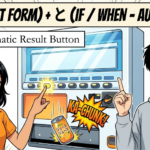
Verb (plain form) + はずです (Should / Expected to [Verb])
Core / Reasonable Expectation & Logical Certainty
👀 Layer A: Visual Guide
📝 Quick Summary
This grammar pattern connects to the Plain Form of a verb to express a strong, logical expectation based on reliable facts, schedules, promises, or evidence. It translates to “should be”, “expected to”, or “ought to”.
Structure: [Verb Plain Form] + はずです
Example 1: たなかさんは もう ついた はずです (Tanaka-san should have arrived already).
Example 2: でんしゃは 5じに くる はずです (The train should come at 5 o’clock).
🔗 Connected Grammar:
🔍 Layer B: Deepening
💡 Raya’s Hack
Logical Expectation: HAZU vs. DESHOU / KAMO SHIREMASEN
Japanese has several ways to express probability, but はず (hazu) is special:
– かもしれません (kamo shiremasen): ~50% (Might / Maybe)
– でしょう (deshou): ~70% (Probably / I guess)
– はずです (hazu desu): ~90%+ (Logical expectation based on facts, rules, or schedules)
When you say “Kuru hazu desu”, you are saying “He should come (because he promised / the timetable says so).”
🚧 Joy’s Mistake
Scene: Joy is talking about his teacher’s expected arrival time.
Joy: 「せんせいは もう きます はずです。」
(Sensei wa mou kimasu hazu desu.)
❌ Used polite “kimasu” before はず!
Why?
Joy attached polite form kimasu directly before hazu desu. Because hazu grammatically functions as a noun, verbs attached to it MUST be in the Plain Form (Short form).
Correct: 「せんせいは もう くる はずです。」 (The teacher should be coming soon.) / 「きた はずです。」 (The teacher should have arrived already.)
🔥 Layer C: Retrieval Practice Loop
Retrieve and apply! Express logical expectations. (Hiragana and English only)
Level 1: Structure Building (Verb Plain + はずです)
Q1. Should come (きます ➡️ くる)
Q2. Should have arrived (つきました ➡️ ついた)
Q3. Should know (しっています ➡️ しっている)
Q4. Should not come (きません ➡️ こない)
Q5. Should have finished (おわりました ➡️ おわった)
Level 2: Full Sentences
Q6. Tanaka-san should arrive at 5 o’clock. (たなかさんは 5じに / つく)
Q7. He should know this news. (かれは この ニュースを / しっている)
Q8. The train should have arrived already. (でんしゃは もう / ついた)
Q9. He should be coming today. (かれは きょう / くる)
Q10. The meeting should have finished. (かいぎは もう / おわった)