
Skip to content
JPLT Online Japanese Language Training SchoolJPLT Online Japanese Language Training School
  • Courses
  • Plans
  • Get Started
    • What is JPLT Metaverse Campus
    • How to Enroll
  • JPLT LEARNING GYM
    • What is JPLT LEARNING GYM?
    • BootCamp
    • Studio
    • Season
    • Grammar Book
    • Optional Classes and EOD
  • Schedule
  • Blog
  • About Us
    • What Is Dialog+ JPLT
    • Teachers
    • Company Profile
    • Contact Us
    • FAQs
  • Login
  • For Business
JPLT Online Japanese Language Training SchoolJPLT Online Japanese Language Training School
  • Courses
  • Plans
  • Get Started
    • What is JPLT Metaverse Campus
    • How to Enroll
  • JPLT LEARNING GYM
    • What is JPLT LEARNING GYM?
    • BootCamp
    • Studio
    • Season
    • Grammar Book
    • Optional Classes and EOD
  • Schedule
  • Blog
  • About Us
    • What Is Dialog+ JPLT
    • Teachers
    • Company Profile
    • Contact Us
    • FAQs
  • Login
  • For Business
JPLT Blog

Japanese You Keep Seeing: 「そうですね」が会話でこんなによく出てくるのはなぜ?|Japanese Grammar (N5–N3)

  • 08 Sep, 2026
  • Com 0
 
「そうですね」が会話でこんなによく出てくるのはなぜ (Raya nodding and saying “Sou desu ne” to Ken at a peaceful Zen temple garden in autumn, with Joy taking a photo and an orange cat watching a falling leaf)

Welcome to “Japanese You Keep Seeing”!

If you listen to a Japanese conversation for more than five minutes, you are guaranteed to hear someone nod deeply and say: そうですね (Sou desu ne). It is arguably the most frequently used phrase in the entire language! But why do people use it so often? Is it just a filler word, or does it carry a deeper cultural meaning? Let’s decode the magic of this harmonious phrase.

🗣 Conversation Scene

Joy, Ken, and Raya are enjoying a peaceful autumn weekend visiting a famous Zen temple in Kyoto. They are sitting on the wooden veranda, admiring the rock garden and the falling red maple leaves.
Ken
本当に静かですね。秋の庭はすごくリラックスできます。(It is truly quiet, isn’t it. The autumn garden is so relaxing.)
Raya
Line 1: そうですね。 Line 2: Sō desu ne. Line 3: (That’s right. / It is, isn’t it.)
そうですね。 ずっとここに座っていたいです。(It is, isn’t it. I want to sit here forever.)
Joy
The colors are perfect! I’m getting so many good design references.

💡 Explanation: The Harmony Builder

In English, we often respond to statements with a simple “Yes” or “I agree.” In Japan, the culture relies heavily on building harmony (Wa) and showing empathy. そうですね (Sou desu ne) is the ultimate tool for achieving this.

1. The Empathetic Agreement 🤝

The most common way to use “Sou desu ne” is to completely agree with the speaker’s opinion or observation. It translates to “That’s right,” “It is, isn’t it,” or “I feel exactly the same way.” When Ken comments on the quiet garden, Raya uses it to show she completely shares his peaceful feeling.

2. The Stalling Tactic ⏳

What if someone asks you a difficult question, and you need a few seconds to think of the answer? You can drag out the phrase: 「そうですねえ…」 (Sou desu neee…). This acts exactly like the English phrase “Let me see…” or “Well, let me think about that…”. It prevents an awkward silence while showing the other person that you are taking their question seriously.

3. The Soft Disagreement ☁️

Because saying a direct “No” is often considered too aggressive, Japanese speakers will use “Sou desu ne” to soften the blow. They will agree first, then gently introduce a different idea: “Sou desu ne… but maybe we should try this instead?” It shows respect for the original idea before pivoting.

💎 Pro Tip: “Ne” vs “Ka”

Be careful not to confuse Sou desu ne with Sou desu ka! Sou desu ne: “I agree with you.” (The particle ‘ne’ seeks shared feeling). Sou desu ka: “Oh, is that so?” (The particle ‘ka’ indicates you just learned new information).

🔥 Practice Quiz

Q1. A coworker says, “It is really hot today, isn’t it?” You want to agree politely. What do you say? A. Sou desu ka. B. Sou desu ne.
Answer: B (Sou desu ne) “Sou desu ne” is perfect here because you are showing empathy and agreeing with their observation.
Q2. Someone asks you a complex question about your project, and you need a few seconds to organize your thoughts. What can you say to buy time? A. Sou desu neee… (Let me see…) B. Hai! (Yes!)
Answer: A (Sou desu neee…) Dragging out the phrase shows the listener that you are taking their question seriously and actively thinking about your answer.
Q3. You tell a friend that you just adopted a dog. They didn’t know this. Which phrase should they use to react? A. Sou desu ne. B. Sou desu ka! / Sou nanda!
Answer: B (Sou desu ka! / Sou nanda!) Because they are receiving *new* information, they use “ka” or “nanda” to show realization. If they said “Sou desu ne”, it would sound like they already knew and were just agreeing!

Ready to master the Ko-So-A-Do system?

Want to dive deeper? Check out our official Beginner’s Grammar Book for more examples, detailed explanations, and practice exercises to perfect your Japanese pointing skills!

📖 Read more in the Grammar Book: これ/それ/あれ/どれ


    JPLT Online School

    Learn Japanese with JPLT Online School


    Want to study Japanese in a more guided and beginner-friendly way?
    Feel free to contact us and we’ll help you find the right course for your level and goal.


    We’re happy to help you start your Japanese learning journey with confidence.

    Related posts:

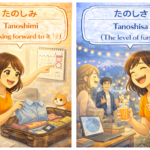
    Challenges of Learning Japanese: 10 Solutions & Key Points Understanding Gakusei ja nai~n desu and Gakusei ja nai desu Tanoshimi vs Tanoshisa: Understanding their Differences The Difference Between 沈黙の意味が違う?日本語と英語の会話文化の違い |Japanese Grammar (N5–N3)
    Share on:
    【よく目にする日本語】日本人が「へえ!」と言う時はどんな気持ち? [日本語学習]
    【よく目にする日本語】「そうですね」が会話でこんなによく出てくるのはなぜ?[日本語学習]
    JPLT Malaysia

    Japanese Learning Resources:

    Tips for Learning Japanese Learn Japanese with Mastery Tips Japanese Grammar Book Japanese Learning Hacks Japanese Learning FAQ (日本語) Japanese Learning FAQ (English)

    Connect with us!

    Inquire Now!
    Send us a message to know the latest class schedules. Lessons are conducted in English and Taglish (Tagalog-English).
    Please enable JavaScript in your browser to complete this form.
    Name *
    Loading

    Latest Post

    Thumb
    Japanese You Keep Seeing: 「お久しぶりです」はどのくらい会っていない時に使う? |Japanese Grammar
    08 Sep, 2026
    Thumb
    【よく目にする日本語】「お久しぶりです」はどのくらい会っていない時に使う? [日本語学習]
    08 Sep, 2026
    Thumb
    【よく目にする日本語】「そうですね」が会話でこんなによく出てくるのはなぜ?[日本語学習]
    08 Sep, 2026

    Categories

    • Courses (13)
    • Grammar Book (169)
    • JAPANESE LEARNING FAQ (23)
    • Japanese Learning Hacks (9)
    • Japanese Learning TIPS (221)
    • JPLT Blog (295)
    • JPLT NEWS (12)
    • List of media productions (5)
    • にほんごをまなぶTips (218)
    • 日本語学習ハック (9)
    JPLT_logo (2)

    JPLT (Japanese language training) online school by Dialogplus 

    Icon-facebook Icon-instagram Youtube

    株式会社ダイアログプラス(Dialog+ Co., Ltd.) 
    神奈川県横浜市都筑区南山田二丁目1番1-206号 
    Address: 2-1-1-206 Minamiyamada, Tsuzuki-ku, Yokohama Japan 
    Website: https://www.dialogplus.co.jp/ 

    Dialog+ Philippines
    Philippine Address: Unit 7 2/F, Seung Lee Building, Lot 1 Greenwoods Park Rizal Highway, CBD Area, Subic Bay Freeport Zone, Philippines
    Website: https://dialogplus.ph/
    Email: info@jplt-dialogplus.com

    • Specified Commercial Transaction Law
    • Privacy Policy
    • Terms & Condition
    • Refund Policy
    • JPLT Calendar
    • Admin
    JPLT Online Japanese Language Training SchoolJPLT Online Japanese Language Training School