Skip to content
JPLT Online Japanese Language Training SchoolJPLT Online Japanese Language Training School
  • Courses
  • Plans
  • Get Started
    • What is JPLT Metaverse Campus
    • How to Enroll
  • JPLT LEARNING GYM
    • What is JPLT LEARNING GYM?
    • BootCamp
    • Studio
    • Season
    • Grammar Book
    • Optional Classes and AOTD
  • Schedule
  • Blog
  • About Us
    • What Is Dialog+ JPLT
    • Teachers
    • Company Profile
    • Contact Us
    • FAQs
  • Login
  • For Business
JPLT Online Japanese Language Training SchoolJPLT Online Japanese Language Training School
  • Courses
  • Plans
  • Get Started
    • What is JPLT Metaverse Campus
    • How to Enroll
  • JPLT LEARNING GYM
    • What is JPLT LEARNING GYM?
    • BootCamp
    • Studio
    • Season
    • Grammar Book
    • Optional Classes and AOTD
  • Schedule
  • Blog
  • About Us
    • What Is Dialog+ JPLT
    • Teachers
    • Company Profile
    • Contact Us
    • FAQs
  • Login
  • For Business
JPLT Blog

The Difference Between「すみません」は謝罪?呼びかけ?正しい使い分け の違い |Japanese Grammar (N5–N3)

  • 27 Apr, 2026
  • Com 0

[Excuse me] vs. Ken bowing and apologizing for dropping papers [I’m sorry](Joy raising her hand to call a waiter [Excuse me] vs. Ken bowing and apologizing for dropping papers [I’m sorry])

“Excuse me, order please!” -> Sumimasen!
“I am sorry I am late.” -> Okurete sumimasen.
If you only learn one word before traveling to Japan, it should be すみません (Sumimasen). It is often called the “Magic Word” of the Japanese language. Beginners are often confused because they hear people saying “I’m sorry” to waiters, or “I’m sorry” when receiving a gift! How can one word do so many things? Let’s watch Joy and Ken use this incredibly useful word in different situations.

🗣 Conversation Scene

Joy and Ken are at a restaurant. Joy wants to order, but she accidentally spills some water.

Scene A: Getting Attention

Joy
すみません!注文(ちゅうもん)をお願いします。
(“Sumimasen!” [Excuse me!] I would like to order, please. *Raising her hand*)

Scene B: Making a Mistake

Joy
あっ!水をこぼしてしまいました。本当にすみません!
(Ah! I spilled the water. I am truly “sumimasen” [sorry]! *Bowing her head*)
Ken
大丈夫ですよ。店員さんを呼びましょう。
(It’s okay. Let’s call the staff.)

💡 Explanation

Calling out vs. Apologizing
⚠️ The Golden Rule of “Sumimasen”:
Your body language decides the meaning! If you raise your hand and make eye contact, it means “Excuse me.” If you lower your head and bow slightly, it means “I’m sorry.”

1. すみません = Excuse me / Calling Out 🙋‍♀️

Focus: Getting someone’s attention politely.
Whenever you need to interrupt someone, get a staff member’s attention, or ask a stranger a question, you start with “Sumimasen.” It translates directly to “Excuse me” or “Pardon me.”

  • [At a restaurant] すみません!メニューをください。
    (Excuse me! A menu, please.)
  • [On the street] すみません、駅はどこですか?
    (Excuse me, where is the station?)

2. すみません = I am sorry / Apology 🙇‍♂️

Focus: Apologizing for a mistake or inconvenience.
This is the standard, polite way to say “I am sorry” in Japanese. You use it when you step on someone’s foot, arrive late, or make a mistake at work.

  • [Bumping into someone] あっ、すみません!
    (Ah, I’m sorry!)
  • [Arriving late] 遅れてすみません。
    (I am sorry for being late.)

📊 Comparison Table

Usage Meaning in English Body Language
Getting Attention Excuse me! / Pardon me. Raising a hand, looking toward the person, clear voice.
Making a Mistake I’m sorry. / My apologies. Bowing the head, looking down, softer voice.

🚧 The 3rd Meaning: “Thank You”

In Japanese culture, gratitude is often expressed as an apology for causing someone trouble. If someone picks up a pen you dropped, or gives up their seat on the train for you, saying “Sumimasen” is perfectly natural! It means: “Thank you (and I am sorry for making you go out of your way for me).” If you only say “Arigatou” in these situations, you might sound a little bit unappreciative of their effort!

🔥 Practice Quiz

Tap to check the answer!

Q1. You want to ask a store clerk where the restroom is. What is the first thing you should say/do?
A. Bow your head and say “Sumimasen.”
B. Make eye contact and say “Sumimasen!”

Answer: B
You are getting their attention (“Excuse me”), so you should make eye contact. If you bow your head, they will think you broke something in the store!

Q2. A stranger runs after you to return the umbrella you forgot on the train. What is the most natural Japanese response?
A. Arigatou gozaimasu.
B. Aa, sumimasen!

Answer: B (Sumimasen)
While A is not wrong, B is incredibly natural. You are saying “Thank you so much, and I’m sorry for making you run after me!”

Keep practicing with JPLT!

JPLT Online School

Learn Japanese with JPLT Online School

Want to study Japanese in a more guided and beginner-friendly way?
Feel free to contact us and we’ll help you find the right course for your level and goal.


We’re happy to help you start your Japanese learning journey with confidence.

Related posts:

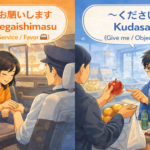
[Must-Read Guide] Recommended Japanese Study Methods for Foreigners What Are Differences Between Formal and Informal Japanese? Learning Japanese Requests: When to Use ‘Onegaishimasu’ vs. ‘Kudasai’ Default ThumbnailExperience the Charm of Japanese Food! Enjoyable Dishes and Eating Tips for Beginners
Share on:
GrammarBook N4 : A それに B (Moreover / In addition)
【使い分け】「すみません」は謝罪?呼びかけ?正しい使い分け の違い [日本語学習]
JPLT Malaysia

Japanese Learning Resources:

Tips for Learning Japanese Learn Japanese with Mastery Tips Japanese Grammar Book Japanese Learning Hacks Japanese Learning FAQ (日本語) Japanese Learning FAQ (English)

Connect with us!

Inquire Now!
Send us a message to know the latest class schedules. Lessons are conducted in English and Taglish (Tagalog-English).
Please enable JavaScript in your browser to complete this form.
Name *
Loading

Latest Post

Thumb
The Difference Between「なるほど」と「そうなんですね」の微妙な違い の違い|Japanese Grammar (N5–N3)
27 Apr, 2026
Thumb
【使い分け】「すみません」は謝罪?呼びかけ?正しい使い分け の違い [日本語学習]
27 Apr, 2026
Thumb
The Difference Between「すみません」は謝罪?呼びかけ?正しい使い分け の違い |Japanese Grammar (N5–N3)
27 Apr, 2026

Categories

  • Courses (17)
  • Grammar Book (85)
  • JAPANESE LEARNING FAQ (23)
  • Japanese Learning Hacks (9)
  • Japanese Learning TIPS (163)
  • JPLT Blog (177)
  • JPLT NEWS (12)
  • List of media productions (5)
  • にほんごをまなぶTips (158)
  • 日本語学習ハック (9)
JPLT_logo (2)

JPLT (Japanese language training) online school by Dialogplus 

Icon-facebook Icon-instagram Youtube

株式会社ダイアログプラス(Dialog+ Co., Ltd.) 
神奈川県横浜市都筑区南山田二丁目1番1-206号 
Address: 2-1-1-206 Minamiyamada, Tsuzuki-ku, Yokohama Japan 
Website: https://www.dialogplus.co.jp/ 

Dialog+ Philippines
Philippine Address: Unit 7 2/F, Seung Lee Building, Lot 1 Greenwoods Park Rizal Highway, CBD Area, Subic Bay Freeport Zone, Philippines
Website: https://dialogplus.ph/
Email: info@jplt-dialogplus.com

  • Specified Commercial Transaction Law
  • Privacy Policy
  • Terms & Condition
  • Refund Policy
  • JPLT Calendar
  • Admin
JPLT Online Japanese Language Training SchoolJPLT Online Japanese Language Training School