Skip to content
JPLT Online Japanese Language Training SchoolJPLT Online Japanese Language Training School
  • Courses
  • Plans
  • Get Started
    • What is JPLT Metaverse Campus
    • How to Enroll
  • JPLT LEARNING GYM
    • What is JPLT LEARNING GYM?
    • BootCamp
    • Studio
    • Season
    • Grammar Book
    • Optional Classes and EOD
  • Schedule
  • Blog
  • About Us
    • What Is Dialog+ JPLT
    • Teachers
    • Company Profile
    • Contact Us
    • FAQs
  • Login
  • For Business
JPLT Online Japanese Language Training SchoolJPLT Online Japanese Language Training School
  • Courses
  • Plans
  • Get Started
    • What is JPLT Metaverse Campus
    • How to Enroll
  • JPLT LEARNING GYM
    • What is JPLT LEARNING GYM?
    • BootCamp
    • Studio
    • Season
    • Grammar Book
    • Optional Classes and EOD
  • Schedule
  • Blog
  • About Us
    • What Is Dialog+ JPLT
    • Teachers
    • Company Profile
    • Contact Us
    • FAQs
  • Login
  • For Business
JPLT Blog

Japanese You Keep Seeing: 食べた後の「ごちそうさま」にはどんな意味がある? |Japanese Grammar (N5–N3)

  • 12 Oct, 2026
  • Com 0
 
食べた後の「ごちそうさま」にはどんな意味がある? (Joy pressing her hands together saying “Gochisousama!” after finishing ramen, with Ken, Raya, and a full-bellied orange cat cleaning its paw)

Welcome to “Japanese You Keep Seeing”!

In our last lesson, we learned that Itadakimasu is the beautiful phrase used to start a Japanese meal. But what happens when the plates are empty and your stomach is full? In Japan, no meal is truly finished until you say ごちそうさま (Gochisousama). While it translates to “Thank you for the meal,” the history hidden inside the kanji reveals a beautiful story of hard work and appreciation. Let’s dig in!

🗣 Conversation Scene

Joy, Ken, and Raya have just finished eating massive bowls of tonkotsu ramen at a popular local shop. They are getting ready to leave, and Joy shouts her thanks to the chef.
Joy
Line 1: ごちそうさま! Line 2: Gochisōsama! Line 3: (Thank you for the meal!)
あー、美味しかった!大将、ごちそうさま! (Ah, that was delicious! Boss, thank you for the meal!)
Ken
Joyさん、お店を出る時は「でした」をつけた方が丁寧ですよ! (Joy-san, when leaving a shop, it is more polite to add “deshita”!)
Raya
That’s right! Let’s say “Gochisousama deshita” to the staff before we pay.

💡 Explanation: The Art of “Running Around”

While Itadakimasu (before the meal) thanks the plants and animals for their lives, Gochisousama (after the meal) is directed entirely at the people who worked hard to feed you.

1. What does it literally mean? 🏃‍♂️💨

The phrase is written in kanji as 御馳走様 (Go-chi-sou-sama). Let’s look closely at the middle two characters: 馳 (Chi) and 走 (Sou). Both of these kanji mean “to run.” Long ago, before supermarkets existed, a host had to literally run around mountains, fields, and oceans to gather ingredients to serve their guests. By saying “Gochisousama,” you are politely saying: “Thank you for running around and working so hard to prepare this meal for me.”

2. Adding “Deshita” for Politeness 👔

Just like many Japanese phrases, you must adjust the politeness level based on who you are talking to: ✅ ごちそうさま (Gochisousama): Casual. Used with family members, your partner, or close friends who cooked for you. ✅ ごちそうさまでした (Gochisousama deshita): Polite. Used at restaurants, with coworkers, or when a boss pays for your meal. (Adding “deshita” puts the phrase in the past tense, finalizing the polite action).

3. When else do you use it? 💸

This phrase is not only for the person who cooked the food. If your boss or a friend treats you to a meal and pays the bill, you must bow and say “Gochisousama deshita” to them as you leave the restaurant to thank them for their generosity!

💎 Pro Tip: The Hand Gesture (Gassho) Part 2

Just like with Itadakimasu, many Japanese people will gently press their hands together (Gassho) while saying Gochisousama. Doing this slightly bowing toward the restaurant staff as you walk out the door is considered incredibly polite and will earn you a massive smile!

🔥 Practice Quiz

Q1. What is the literal meaning behind the kanji for “Chisou” (馳走)? A. Delicious food and soup. B. Running around (to gather ingredients).
Answer: B (Running around) It acknowledges the hard physical work and effort the host put into preparing the meal.
Q2. You just finished a great meal at a sushi restaurant and are walking out the door. What should you say to the chef? A. Gochisousama deshita! B. Itadakimasu!
Answer: A (Gochisousama deshita!) Because it is a restaurant setting, you must use the polite past-tense version (“deshita”) to thank the staff.
Q3. Your manager treats the team to lunch and pays the entire bill. When you get outside, what do you say to your manager? A. Gochisousama deshita. B. Omatase itashimashita.
Answer: A (Gochisousama deshita) You use this phrase to thank anyone who paid for your meal, not just the person who cooked it!

Ready to master the Ko-So-A-Do system?

Want to dive deeper? Check out our official Beginner’s Grammar Book for more examples, detailed explanations, and practice exercises to perfect your Japanese pointing skills!

📖 Read more in the Grammar Book: これ/それ/あれ/どれ


    JPLT Online School

    Learn Japanese with JPLT Online School


    Want to study Japanese in a more guided and beginner-friendly way?
    Feel free to contact us and we’ll help you find the right course for your level and goal.


    We’re happy to help you start your Japanese learning journey with confidence.

    Related posts:

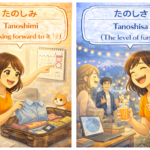
    Challenges of Learning Japanese: 10 Solutions & Key Points Understanding Gakusei ja nai~n desu and Gakusei ja nai desu Tanoshimi vs Tanoshisa: Understanding their Differences The Difference Between 沈黙の意味が違う?日本語と英語の会話文化の違い |Japanese Grammar (N5–N3)
    Share on:
    【よく目にする日本語】食事の前に言う「いただきます」って本当は何? [日本語学習]
    【よく目にする日本語】食べた後の「ごちそうさま」にはどんな意味がある? [日本語学習]
    JPLT Malaysia

    Japanese Learning Resources:

    Tips for Learning Japanese Learn Japanese with Mastery Tips Japanese Grammar Book Japanese Learning Hacks Japanese Learning FAQ (日本語) Japanese Learning FAQ (English)

    Connect with us!

    Inquire Now!
    Send us a message to know the latest class schedules. Lessons are conducted in English and Taglish (Tagalog-English).
    Please enable JavaScript in your browser to complete this form.
    Name *
    Loading

    Latest Post

    Thumb
    【よく目にする日本語】メニューの「おすすめ」は何をおすすめしている? [日本語学習]
    12 Oct, 2026
    Thumb
    Japanese You Keep Seeing: メニューの「おすすめ」は何をおすすめしている? |Japanese Grammar
    12 Oct, 2026
    Thumb
    【よく目にする日本語】食べた後の「ごちそうさま」にはどんな意味がある? [日本語学習]
    12 Oct, 2026

    Categories

    • Courses (13)
    • Grammar Book (169)
    • JAPANESE LEARNING FAQ (23)
    • Japanese Learning Hacks (9)
    • Japanese Learning TIPS (236)
    • JPLT Blog (326)
    • JPLT NEWS (12)
    • List of media productions (5)
    • にほんごをまなぶTips (234)
    • 日本語学習ハック (9)

    Archives

    • October 2026
    • September 2026
    • August 2026
    • July 2026
    • June 2026
    • May 2026
    • April 2026
    • March 2026
    • February 2026
    • January 2026
    • December 2025
    • November 2025
    • October 2025
    • July 2025
    • March 2025
    • January 2025
    • December 2024
    • November 2024
    • October 2024
    • September 2024
    • August 2024
    • July 2024
    • June 2024
    • May 2024
    • April 2024

    Categories

    • Courses
    • Grammar Book
    • JAPANESE LEARNING FAQ
    • Japanese Learning Hacks
    • Japanese Learning TIPS
    • JPLT Blog
    • JPLT NEWS
    • List of media productions
    • にほんごをまなぶTips
    • 日本語学習ハック
    JPLT_logo (2)

    JPLT (Japanese language training) online school by Dialogplus 

    Icon-facebook Icon-instagram Youtube

    株式会社ダイアログプラス(Dialog+ Co., Ltd.) 
    神奈川県横浜市都筑区南山田二丁目1番1-206号 
    Address: 2-1-1-206 Minamiyamada, Tsuzuki-ku, Yokohama Japan 
    Website: https://www.dialogplus.co.jp/ 

    Dialog+ Philippines
    Philippine Address: Unit 7 2/F, Seung Lee Building, Lot 1 Greenwoods Park Rizal Highway, CBD Area, Subic Bay Freeport Zone, Philippines
    Website: https://dialogplus.ph/
    Email: info@jplt-dialogplus.com

    • Specified Commercial Transaction Law
    • Privacy Policy
    • Terms & Condition
    • Refund Policy
    • JPLT Calendar
    • Admin
    JPLT Online Japanese Language Training SchoolJPLT Online Japanese Language Training School