Skip to content
JPLT Online Japanese Language Training SchoolJPLT Online Japanese Language Training School
  • Courses
  • Plans
  • Get Started
    • What is JPLT Metaverse Campus
    • How to Enroll
  • JPLT LEARNING GYM
    • What is JPLT LEARNING GYM?
    • BootCamp
    • Studio
    • Season
    • Grammar Book
    • Optional Classes and AOTD
  • Schedule
  • Blog
  • About Us
    • What Is Dialog+ JPLT
    • Teachers
    • Company Profile
    • Contact Us
    • FAQs
  • Login
  • For Business
JPLT Online Japanese Language Training SchoolJPLT Online Japanese Language Training School
  • Courses
  • Plans
  • Get Started
    • What is JPLT Metaverse Campus
    • How to Enroll
  • JPLT LEARNING GYM
    • What is JPLT LEARNING GYM?
    • BootCamp
    • Studio
    • Season
    • Grammar Book
    • Optional Classes and AOTD
  • Schedule
  • Blog
  • About Us
    • What Is Dialog+ JPLT
    • Teachers
    • Company Profile
    • Contact Us
    • FAQs
  • Login
  • For Business
Grammar Book

GrammarBook: Verb (dict.form) + のが + い-adj. / な-adj. + です (Liking / Being good at X)

  • 05 Aug, 2026
  • Com 0

N4-G-038

Verb (dict.form) + のが + い-adj. / な-adj. + です (Liking / Being good at X)

Core / Nominalization for Preferences & Skills

👀 Layer A: Visual Guide


📝 Quick Summary

This grammar pattern nominalizes a verb using の (no) and marks it with the particle が (ga) to connect with adjectives expressing personal taste, skill level, or speed (such as suki, kirai, jouzu, heta, hayai, osoi).

Structure: [Verb Dict Form] + のが + [Adjective] + です
Example 1: わたしは えいがを みる のが すきです (I like watching movies).
Example 2: かれは えを かく のが じょうずです (He is good at drawing pictures).

🔗 Connected Grammar:

  • N4-G-037: Verb(dict) + のは + Adjective (Doing X is…)
  • N5-G-009: [Noun] が 好きです / 上手です Basics

🔍 Layer B: Deepening

💡 Raya’s Hack

The “NO WA” vs. “NO GA” Decision Rule
Students often ask: “Should I use のは (no wa) or のが (no ga)?” Here is the quick rule:

1. のが (no ga): Use when the adjective natively takes GA.
➡️ 好き (suki), 嫌い (kirai), 上手 (jouzu), 下手 (heta), 得意 (tokui), 苦手 (nigate), 早い (hayai), 遅い (osoi).
Example: 走る のが 早いです (Fast at running).

2. のは (no wa): Use when evaluating or expressing a broad opinion about an action as the sentence topic.
➡️ 楽しい (tanoshii), 難しい (muzukashii), 大変 (taihen), 危険 (abunai).
Example: 勉強する のは 難しです (Studying is difficult).

🚧 Joy’s Mistake

Scene: Joy is talking about his favorite pastime.

Joy: 「わたしは うたを うたう を すきです。」
(Watashi wa uta o utau o suki desu.)

❌ Wrong Nominalizer & Wrong Particle!

Why?

Joy tried to use “を” because in English we think “I like [object]”. But in Japanese, suki is a Na-adjective, not a transitive verb! It requires the target particle が. Furthermore, you cannot attach “が” directly to a verb like utau; you must nominalize it with の.

Correct: 「わたしは うたを うたう のが すきです。」 (I like singing songs.)

🔥 Layer C: Retrieval Practice Loop

Retrieve and apply! Express your preferences and skills. (Hiragana and English only)

Level 1: Structure Building (Dict Form + のが)

Q1. Liking to cook (りょうりを つくる)
答え: りょうりを つくるのが すきです
Q2. Being good at drawing (えを かく)
答え: えを かくのが じょうずです
Q3. Being bad at swimming (およぐ)
答え: およぐのが へたです
Q4. Being fast at eating (たべる)
答え: たべるのが はやいです
Q5. Disliking studying (べんきょう する)
答え: べんきょう するのが きらいです

Level 2: Full Sentences

Q6. I like cooking food.
答え: わたしは りょうりを つくるのが すきです。
Q7. He is good at drawing pictures.
答え: かれは えを かくのが じょうずです。
Q8. I am bad at swimming in the sea. (うみで およぐ / へた)
答え: わたしは うみで およぐのが へたです。
Q9. Tanaka-san is fast at walking. (あるく / はやい)
答え: たなかさんは あるくのが はやいです。
Q10. I dislike waking up early. (あさ はやく おきる / きらい)

答え: わたしは あさ はやく おきるのが きらいです。


JPLT Learning Gym

Related posts:

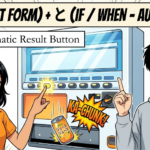
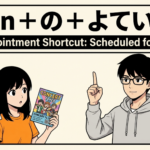
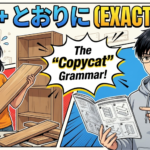
GrammarBook N4 : Verb(dict) + と (If/When – Automatic) GrammarBook N4 : Noun+の+よていです (Scheduled for…) GrammarBook N4 : I adjective plain form+かもしりません (Might be) GrammarBook N4: Verb (dictionary form) + とおりに (Exactly as)
Tags:
n4
Share on:
GrammarBook: Verb (dict.form) + のは + い-adj. / な-adj. + です (Doing X is...)
JPLT Malaysia

Japanese Learning Resources:

Tips for Learning Japanese Learn Japanese with Mastery Tips Japanese Grammar Book Japanese Learning Hacks Japanese Learning FAQ (日本語) Japanese Learning FAQ (English)

Connect with us!

Inquire Now!
Send us a message to know the latest class schedules. Lessons are conducted in English and Taglish (Tagalog-English).
Please enable JavaScript in your browser to complete this form.
Name *
Loading

Latest Post

Thumb
GrammarBook: Verb (dict.form) + のが + い-adj.
05 Aug, 2026
Thumb
GrammarBook: Verb (dict.form) + のは + い-adj.
05 Aug, 2026
Thumb
GrammarBook: Verb (dict. / negative form) +
04 Aug, 2026

Categories

  • Courses (13)
  • Grammar Book (112)
  • JAPANESE LEARNING FAQ (23)
  • Japanese Learning Hacks (9)
  • Japanese Learning TIPS (191)
  • JPLT Blog (234)
  • JPLT NEWS (12)
  • List of media productions (5)
  • にほんごをまなぶTips (187)
  • 日本語学習ハック (9)
JPLT_logo (2)

JPLT (Japanese language training) online school by Dialogplus 

Icon-facebook Icon-instagram Youtube

株式会社ダイアログプラス(Dialog+ Co., Ltd.) 
神奈川県横浜市都筑区南山田二丁目1番1-206号 
Address: 2-1-1-206 Minamiyamada, Tsuzuki-ku, Yokohama Japan 
Website: https://www.dialogplus.co.jp/ 

Dialog+ Philippines
Philippine Address: Unit 7 2/F, Seung Lee Building, Lot 1 Greenwoods Park Rizal Highway, CBD Area, Subic Bay Freeport Zone, Philippines
Website: https://dialogplus.ph/
Email: info@jplt-dialogplus.com

  • Specified Commercial Transaction Law
  • Privacy Policy
  • Terms & Condition
  • Refund Policy
  • JPLT Calendar
  • Admin
JPLT Online Japanese Language Training SchoolJPLT Online Japanese Language Training School